
 Canada
  Alberta
  Columbia Britannica
  Manitoba
 Nuovo Brunswick
  Terranova e Labrador
  Nuova Scozia
  Ontario
  Isola del Principe Edoardo
  Quebec
  Saskatchewan
  Stati Uniti
  Belgio
 Francia
  Italia
  Svizzera
  Altrove

The best ways to thaw food
The key to defrosting foods is to keep them at a safe temperature during thawing.
Indeed, as soon as food begins to defrost and becomes warmer than 4°C, bacteria – that may have been present before freezing – can begin to multiply. That’s why it’s not a good idea to keep the food on the kitchen counter, or place it in warm water, to thaw it fast.
When thawing frozen food, it’s best to plan ahead. Here are a few tips to help prevent food-borne illnesses:
Refrigerator Thawing
The safest way is to keep the food in the refrigerator at 4°C or below. It takes about 10 hours to defrost in the fridge for each kilogram (2.2 pounds) of weight. After that, items such as ground meat and poultry will remain safe for an additional day or two before cooking; red meat cuts can last 3 to 5 days. Fish is an exception and it should be cooked and eaten as soon as possible.
Cold-Water Thawing
This method is faster than using the refrigerator, but it requires more attention. The food must be placed in a leak-proof plastic bag. The bag should be submerged in cold tap water, changing the water every 30 minutes. Small packages of meat or poultry (about one pound/500 g) usually take an hour or less to defrost. Once the food is completely thawed, it must be cooked immediately.
Microwave Thawing
Use the ‘defrost’ setting of your microwave. With this method, plan to cook immediately after defrosting because some areas of the food may become warm and begin to cook during the thawing process.
Cooking Without Thawing
When there is not enough time to thaw frozen foods, as when you’re in a hurry, just remember: it is safe to cook foods from the frozen state. The cooking will take approximately 50% longer than the recommended time. However, taste-wise the final result may not be the same.

Autori
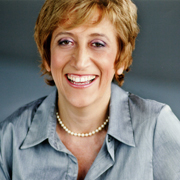


Italiana di nascita e canadese d'adozione, Cinzia ha deciso di coniugare le sue competenze professionali e la sua passione per la buona tavola sviluppando un servizio per aiutare i numerosi «aventi bisogno» a riprendere il controllo della loro alimentazione. Così è nata SOSCuisine. Ingegnere di formazione al Politecnico di Torino, Cinzia ha conseguito un Master's Degree in scienze applicate all'École Polytechnique de Montréal.


Lascia un commento